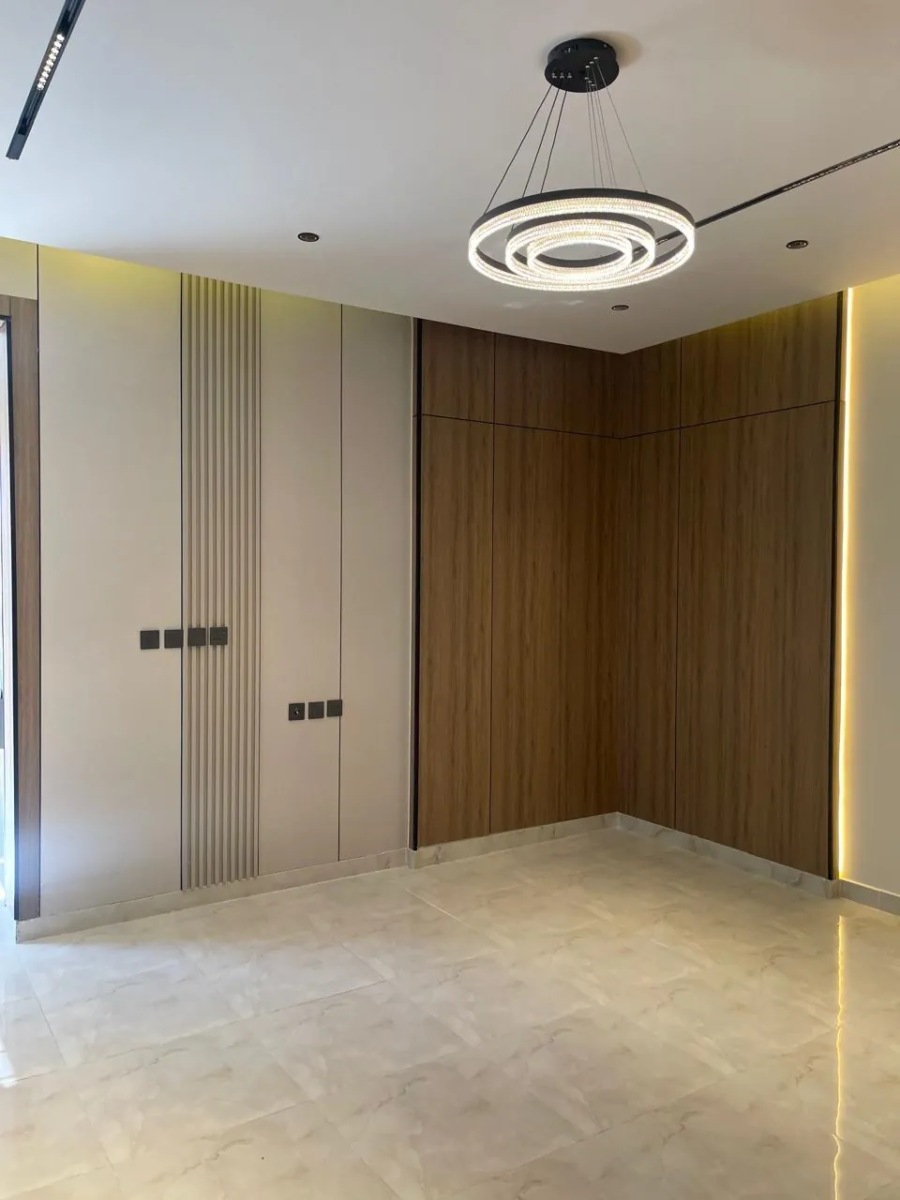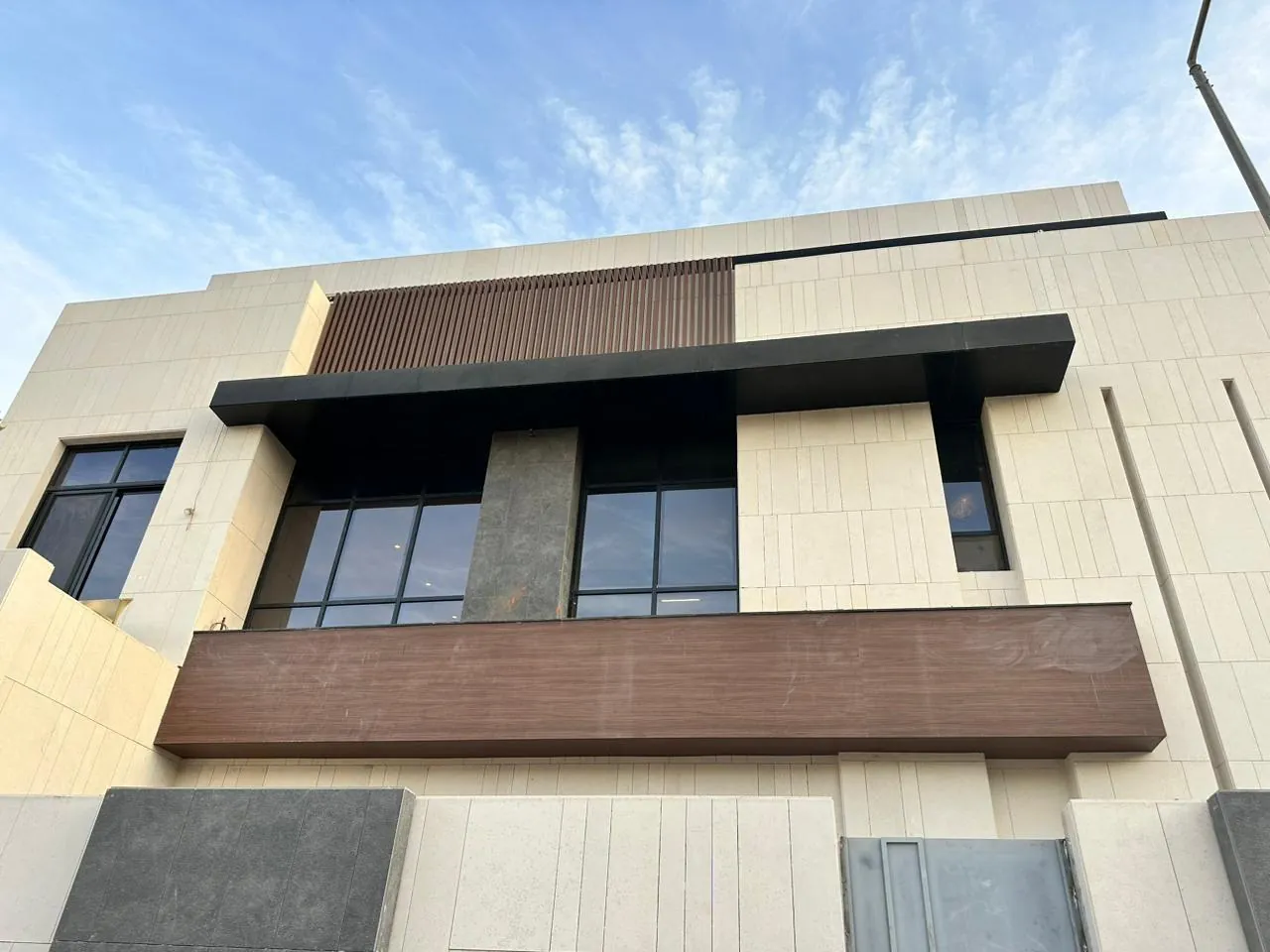

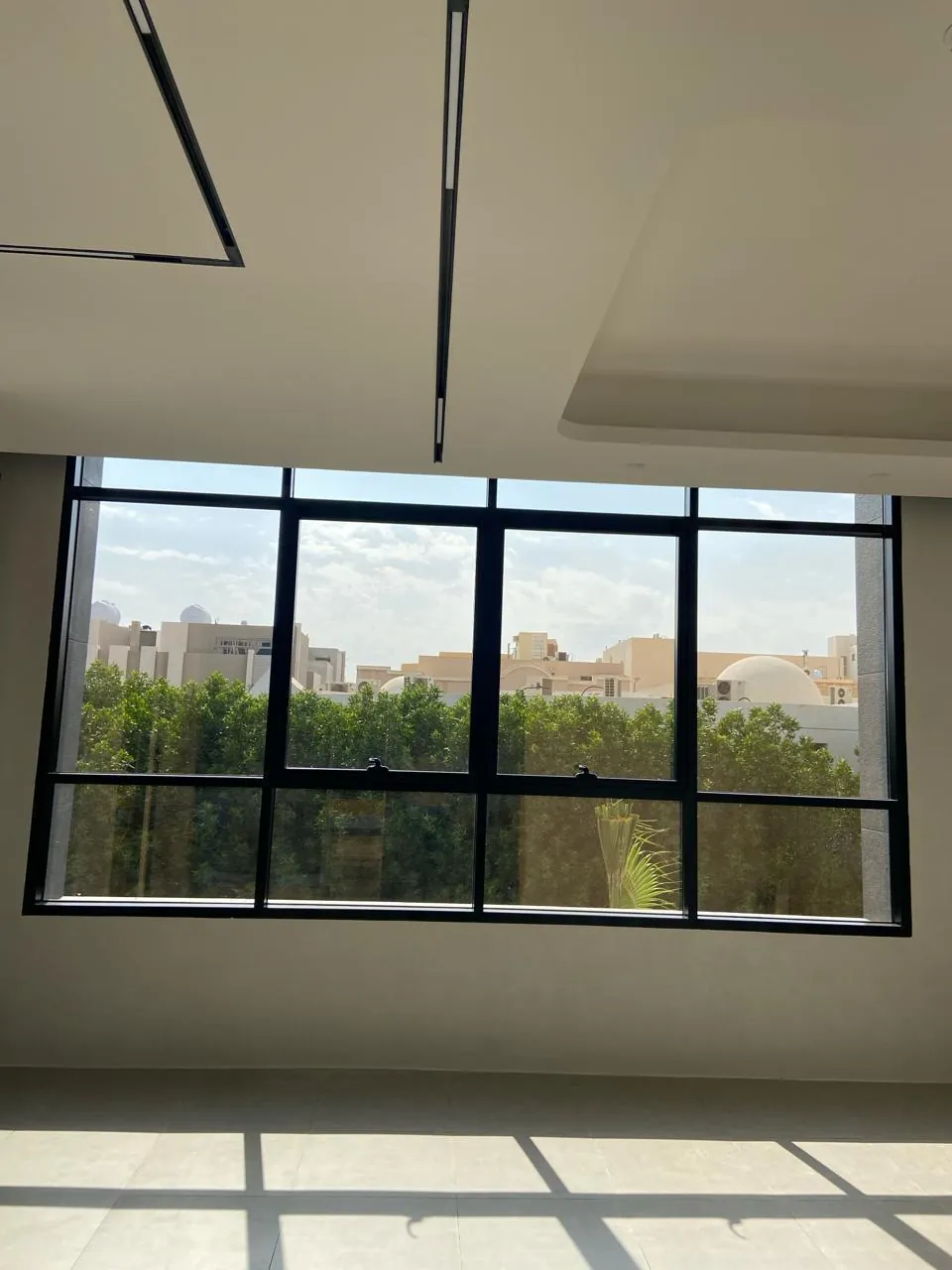
The most suitable glass for Riyadh villas is an insulated glazing unit (IGU) with a solar-control low-e coating, specified façade by façade. West and south elevations need stronger solar protection, north and east need less, and a laminated pane with the right gap improves noise reduction. Pair it with a thermal-break frame to complete the performance.
What is double glazing and how does it work?
Double glazing, or an insulated glazing unit, is two panes held apart by a perimeter spacer around a sealed gap filled with dry air or an inert gas such as argon. That gap slows the transfer of heat and sound between outside and inside far more than a single pane.
- Spacer and desiccant: they keep the panes apart and absorb moisture inside the unit.
- Double seal: it keeps gas in and moisture out; when it fails, fogging appears between the panes.
- Why it matters in Riyadh: it eases summer cooling loads and makes seating near windows more comfortable.
Final performance still depends on the frame: an aluminium frame without a thermal break weakens the benefit of insulated glass.
Low-e glass: how it reduces solar heat
A low-e (low emissivity) coating is an ultra-thin, almost clear metallic layer on one glass surface. It reflects a large share of heat radiation while letting most visible light through.
- In a hot climate choose a “solar control” type that limits solar heat gain, not the type designed to retain heat in cold countries.
- The coating normally sits on the inner face of the outer pane, which the supplier specifies for each product.
- It also cuts ultraviolet light that fades furniture and flooring, especially when combined with laminated glass.
Tinted or reflective glass?
| Factor | Tinted glass | Reflective glass |
|---|---|---|
| How it works | Absorbs part of the heat and light | Metallic coating reflects radiation |
| Privacy | Moderate | High by day, with a mirror look |
| Indoor daylight | Reduced according to tint depth | Reduced; can look mirror-like from inside at night |
| Pane temperature | Rises as it absorbs heat; tempering often advised | Lower, since part of the radiation is reflected |
| Appearance | Grey, bronze or green tones | Distinct shine on the façade |
Note that reflective glass can bounce light toward neighbours and the street, and local rules may limit its use in some locations, so check before approving.
Glass thickness and the gap between panes
The gap is one of the key performance factors, though a bigger gap is not always better.
- Insulation improves as the gap grows up to a point; beyond it, air moves inside the gap and the gain fades.
- Argon fill improves insulation slightly over air, provided the seal is good.
- Pane thickness is calculated from pane size, wind load and safety rules, not guessed.
- Units must sit on proper supports and setting blocks so the edge is not stressed to the point of cracking.
Noise reduction near streets and roads
Double glazing softens noise but does not remove it. For villas near main roads or flight paths:
- Use panes of different thickness (asymmetric) to reduce resonance.
- Add a laminated pane with an acoustic interlayer on one side.
- Widen the gap within sensible limits.
- Make sure the frame and gaskets are airtight, since leaks around the sash defeat any glass.
Choosing glass for each façade orientation
In Riyadh the summer sun is high, and the harshest heat arrives in the afternoon on the west side. The table is a guide; the final decision follows a study of shade and window areas.
| Façade | Sun pattern | Suggested choice |
|---|---|---|
| North | Little direct sun, steady daylight | Clear double glazing with low-e to keep daylight |
| East | Low-angle morning sun | Solar-control low-e, perhaps a light tint |
| South | High sun for much of a summer day | Solar-control low-e plus overhangs to limit direct sun |
| West | Harshest afternoon heat | Highest protection: reflective or strong low-e, external shading, smaller openings |
Combine glass with external shading such as canopies, projections or screens whenever possible; stopping the sun before it reaches the glass works better than blocking it after it has entered. Motorised blinds can then be linked to sun sensors and smart control.
How ControlMax helps with glazing
The ControlMax fit-out division handles aluminium windows, doors and glazing, including black slim sections, sliding and arched units and corner glazing, under its aluminium and glazing service. It starts with a free site visit to look at the façades and their orientation, then design and drawings that include systems, a detailed quote and schedule, and building under engineering supervision to handover. Finishing and technology are planned together, so routes for motorised blinds and sensors are prepared before the finish is closed. Browse the division’s projects or visit the ControlMax main site.
Frequently asked questions
Is double glazing worth it in Riyadh?
In most cases yes. It cuts heat and noise transfer, improves comfort near windows and reduces summer cooling loads. The benefit is complete when it is paired with a thermal-break frame and suitable shading on sun-exposed façades.
What is the difference between low-e and reflective glass?
Low-e is a thin, almost clear coating that reflects heat radiation while keeping daylight; reflective glass has a more visible metallic layer that reflects more radiation and looks mirror-like. Low-e is visually lighter; reflective gives more privacy and solar control.
What gap should there be between the panes?
Insulation improves as the gap widens up to a limit, then the gain fades. The supplier sets it from pane thickness, window size and thermal or acoustic targets. Argon fill adds a small improvement if the seal is sound.
Which glass suits a west-facing façade?
The west side takes the harshest afternoon heat, so it needs the highest solar protection: reflective or strong solar-control low-e, external shading and smaller openings where possible, in a thermal-break frame.
Does double glazing block noise?
It reduces noise but does not eliminate it. For better results use panes of different thickness, a laminated acoustic pane and a suitable gap, and make sure the frame and gaskets are airtight, as any leak weakens performance.
What does fogging between the panes mean?
It usually means the perimeter seal has failed and moisture has entered the gap, and cleaning cannot fix it. The usual remedy is to replace the unit; check with the supplier or installer under the supply terms.
About ControlMax ControlMax is a Saudi company based in Riyadh covering smart homes, security and networks, together with an interior fit-out and finishing division. Contact: unified number 920017618, WhatsApp +966 59 611 4050, Building 6604, Tabuk St, Al Izdihar, Riyadh 12485. Book a free site visit.